Fun Couples Game Questions to Deepen Connection and Spark Laughter
Ever feel like date night has slipped into the same old routine? A couples game breaks that cycle by turning your evening into a playful, interactive challenge built just for the two of you. Simply pick a card, roll the dice, or follow a prompt, then take turns answering, acting, or laughing through each round together. It’s an easy way to spark deeper conversations, reignite inside jokes, and remind yourselves why you’re such a great team.
What Makes a Great Date Night Activity for Two?
A great date night activity for two becomes memorable when a couples game turns simple conversation into playful discovery. You know the magic moment—when a silly question about “which awkward childhood photo you’d frame” cracks the protective shell of routine. The best games don’t demand winning; they reward vulnerability with laughter, like a deck of cards that asks you to rate each other’s cooking fails from “adorable” to “call the fire department.” A great date night activity for two balances challenge with coziness, so you’re not staring at a screen, but at each other’s twitching smiles. Whether it’s a storytelling dice set or a quiz about your partner’s hidden pet peeves, the activity should end with you both feeling closer—not because you conquered a board, but because you re-discovered why you’re on the same team in the first place.
Why Board Games and Card Games Beat Another Movie on the Couch
Another movie on the couch is passive consumption, but a board or card game forces active, mutual engagement. This real-time interaction creates a shared problem-solving space where you learn how your partner thinks, reacts to pressure, and handles a win or loss. Unlike a film’s fixed narrative, a game generates unique, improvised moments of banter and negotiation that belong exclusively to the two of you. The tactile act of shuffling or moving pieces anchors your attention to each other, not a screen. For a couples game night, this translates directly into stronger communication and playful tension that a film simply cannot replicate.
- Forces eye contact and verbal exchange, which builds rapport faster than sitting side-by-side in silence.
- Delivers a guaranteed outcome you create together—victory or defeat—unlike a movie’s pre-scripted ending.
- Provides a natural conversation springboard for hours after the game ends, unlike a film that fades quickly.
How the Right Game Creates Inside Jokes and Shared Memories
The right couples game turns random moments into your own private lore. When you play something silly like a drawing-guessing game, a botched clue becomes “the flamingo incident” you reference for years. A trivia game where you both blank on a pop culture question becomes a running bit about your shared brain fog. These shared wins and hilarious losses build a private couple vocabulary that no one else gets. Over time, the game itself becomes the memory—the night you laughed until you cried over a nonsense answer, or the lucky streak you still brag about. You aren’t just passing time; you’re fileting inside jokes into your relationship’s history.
- Repeat your funniest failures out loud afterward to cement the bit.
- Name “classic moments” from the game and use them as catchphrases.
- Replay the same game occasionally to relive and build on old jokes.
- Let a game’s weird theme become a nickname for a shared habit.
Choosing a Game Based on Your Relationship Dynamic
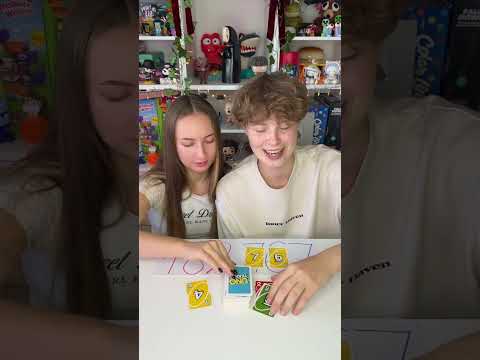
Choosing a couples game should start with an honest read of your shared dynamic, not just the box art. If you two thrive on lighthearted banter and playful teasing, a fast-paced party game like *Overcooked* or *Wavelength* will keep the energy high without risking frustration. For a competitive, strategic pair who love outsmarting each other, a head-to-head title like *7 Wonders Duel* or *Patchwork* turns play into a satisfying sparring match—just ensure you both view losing as part of the fun, not a wound. Co-op puzzle games like *It Takes Two* or *Unravel Two* are ideal for couples who communicate best when working toward a shared goal, forcing collaboration rather than competition. The trick is matching the game’s required emotional temperature to your baseline rapport, not your aspirational one. If couple games you argue easily under time pressure, avoid real-time chaos; if you enjoy deep talks, a narrative-driven game like *As Dusk Falls* lets play become a conversation starter. Ultimately, the right game makes your natural interaction style feel amplified, not corrected—so pick for the couple you are, not the one you’re trying to be for an evening. Test with a cheap digital demo first, and always agree on a “no-score” variant if one partner is notably more competitive.
For the Competitive Couple: Head-to-Head Strategy Picks
For couples who thrive on direct rivalry, head-to-head strategy picks transform game night into a battle of wits where romance takes a backseat to victory. Choose titles like *Chess*, *Hive*, or *Onitama* for pure tactical duels that last under 30 minutes, allowing multiple rematches. Abstract games shine here because they eliminate luck, ensuring the better planner wins, which fuels productive trash talk. For a lighter yet still sharp option, *Jaipur* or *Air, Land & Sea* force you to read your partner’s tells while managing your own hand. Prioritize games with zero hidden information to keep every move accountable. This setup encourages playful grudges, but always set a “winner buys dinner” rule to soften the sting.
For the Competitive Couple: Head-to-Head Strategy Picks deliver short, skill-only duels that turn tension into shared laughter—provided you both accept a rematch clause.
For the Relaxed Pair: Co-op Games That Build Teamwork
For the relaxed pair, co-op games that build teamwork turn quiet evenings into shared victories without the pressure of head-to-head competition. Titles like *It Takes Two* or *Overcooked* (in its gentler modes) let you solve puzzles or manage chaos together, rewarding patience and clear communication over quick reflexes. The beauty is that failure feels funny, not frustrating, because you’re both learning the same mechanics side by side. Look for games with adjustable difficulty or no fail states, such as *Unravel Two* or *Snipperclips*, to keep the mood light. Co-op games that build teamwork here prioritize joint problem-solving, so every “we did it!” moment strengthens your rhythm as a duo. Low-stakes collaboration is the secret—no raging, just high-fives.
For a relaxed pair, choose co-op games that celebrate joint problem-solving with low stakes, turning play into easy, shared wins.
For New Relationships vs. Long-Term Partners: Intensity Levels That Fit
For new relationships, choose games with low-stakes cooperation or light competition, such as turn-based puzzlers or cooperative word games, where the intensity peaks briefly and resets quickly to avoid awkward pressure. Long-term partners can handle sustained emotional or strategic intensity, so legacy board games or narrative-driven RPGs with escalating consequences fit better, as they reward established trust and communication patterns. A new couple should avoid high-intensity bluffing games until they have mapped each other’s stress signals. Conversely, long-term partners may find overly simple games unsatisfying, needing a challenge that mirrors their familiarity, not evasion. The key is calibrating intensity levels that fit your current emotional bandwidth, not your ideal future comfort.

Using Question Decks to Uncover Surprising Answers
In a couples game, question decks work best when you treat them as a springboard for unexpected detours rather than a script. The real surprise emerges when you ask a follow-up question before the answer fully lands—like “what did that moment *smell* like?”—pushing your partner past rehearsed stories. To uncover genuinely surprising answers, skip the generic “what’s your favorite memory” and instead draw a card, then rephrase it to target a specific sensory or emotional fragment, such as *”what’s a tiny decision you made that you now realize changed everything?”* This technique forces active listening, because the next card you pull can be adapted mid-turn based on their last word. **Surprising answers** surface when you pause after a reply and ask “why that, specifically?”—turning simple prompts into layered revelations. Keep the deck low-stakes, but mine every response for a thread you can gently tug, and you’ll find couples game play becomes less about winning and more about genuine discovery.
Icebreaker Prompts That Skip the Awkward Small Talk
In a couples game, icebreaker prompts that skip the awkward small talk replace “how was your day” with scenario-based or preference-driven questions that force immediate, playful decisions—like “which shared memory would you erase to relive fresh?” or “what secret habit did you hide for the first three months?” These prompts bypass surface-level replies by demanding a choice or a confession, so partners pivot straight into unexpected territory. For maximum effect, pair question decks that rank answers (e.g., “most likely to…”) with a timer, turning hesitation into laughter. The goal is not to gather facts but to reveal contradictions—like discovering your partner loathes your “signature” dish. Skip the small talk by framing prompts around absurd hypotheticals or ranked preferences, which naturally short-circuit polite chit-chat.
In short, the best icebreakers for couples force a binary choice or a ranked admission, eliminating filler and landing directly on surprising, intimate answers.
Deep Conversation Cards for Rekindling Curiosity After Years Together
After years together, familiar scripts often replace genuine discovery. Deep conversation cards for rekindling curiosity after years together shift the focus from daily logistics to untapped inner worlds, prompting questions that bypass well-worn anecdotes. These decks prioritize open-ended prompts about childhood dreams, hypothetical choices, or emotional reactions to specific scenarios, revealing how your partner has evolved beyond the version you met. The goal is not to solve problems but to encounter each other anew, fostering a sense of playful exploration that counters relationship autopilot.

- Choose decks with prompts that emphasize feelings over factual updates, such as “What memory do you revisit when anxious?”
- Set a recurring time, like a weekly coffee, where the only rule is to avoid practical topics like chores or schedules.
- Pair the cards with a shared activity, such as cooking or walking, to reduce pressure and encourage spontaneous answers.
Turning a Physical Challenge into Playful Connection
Turning a physical challenge into playful connection starts with reframing struggle as a shared puzzle, not a test of ability. A couples game can transform something like balancing on one leg or holding a plank into a laughter-filled ritual where you sync breathing and mirror each other’s wobbles. The goal isn’t perfection—it’s the inside joke you build when you both collapse into a heap. Try a “fall-and-catch” game where you lean toward your partner with eyes closed, trusting them to guide you upright. This builds nonverbal communication while making instability feel safe and silly. Q: What if one partner is much stronger? A: Let the stronger partner set a slow, exaggerated motion so the weaker can lead the rhythm, shifting power into cooperation. The real win is turning a frustrated sigh into a shared grin.

Dice and Action Prompts That Get You Moving and Laughing
Rolling the dice turns indecision into instant, playful momentum, eliminating the awkward “what should we do” pause. Each number corresponds to a specific, silly physical dare, like “give your partner a piggyback ride across the room” or “perform an interpretive dance of your morning commute.” This structure ensures you both commit to the action without overthinking, fueling spontaneous laughter and a lighthearted workout. Because the prompts are unpredictable, you’ll find yourselves trying movements you’d never suggest normally, breaking the ice and building trust through shared absurdity. Action prompts for couples games transform exercise into a bonding ritual, proving that the best way to get moving is to stop taking yourselves so seriously.
Setting Your Own Stakes and Rewards to Keep the Energy High
Define the stakes before you begin, ensuring they are proportionate to the effort required, because an imbalance drains momentum. For a couples game, assign a tangible reward—like choosing the next movie or a back massage—to each completed physical checkpoint, which converts abstract exertion into immediate, desirable payoffs. Escalating reward tiers keep the energy high by creating anticipation for the final prize, yet you must calibrate difficulty so failure does not feel punishing. *The nuance lies in making the reward desirable but not essential, preserving the playfulness of the encounter.*
Q: How do we choose stakes that don’t cause conflict?
A: Select stakes that are individually appealing yet collaboratively agreed upon, such as “winner picks the playlist,” so both partners remain invested without feeling coerced.
Making Every Session Feel New With Rules Tweaks and House Mods
For couples, the same game night can start to feel like a rerun unless you actively bend the rules. Try a “swap roles” mod where the loser picks the next challenge, or add a timer to every turn—suddenly, indecision becomes hilarious pressure. A simple tweak like doubling the stakes for “risky” moves keeps the tension playful, while a house rule like “kiss before you steal” injects a physical spark. Q: How do you avoid mods feeling unfair? A: Always agree on the tweak *before* the round starts, and make any veto a shared laugh, not a fight. Rotate who creates the weekend mod—one day you invent, the next they do—so the novelty comes from both of you. Even changing the win condition (e.g., “lowest score wins tonight”) flips strategy into fresh chaos, ensuring every session surprises you both.
Swapping Out Losing Conditions to Keep the Tension Fun, Not Frustrating
When a co-op couples game starts feeling like a chore, examine the fail state. Swapping out a harsh “game over” for a lighter penalty—like losing a shared resource instead of resetting a whole level—keeps the mood playful. Flexible failure rules let you test a new mechanic without punishing experimentation. For example, if a boss fight frustrates your partner, replace the “restart from checkpoint” condition with a time limit or a stack of funny consequence cards. That way, tension stays exciting, not bitter. A simple house mod can turn a rage-quit moment into a shared laugh, preserving the session’s momentum and your connection. Friendly loss triggers keep both of you leaning in, not tuning out.
Building a Replayable Rotation With Expansion Packs or DIY Prompt Jars
A replayable rotation for couples games hinges on controlled novelty, not endless randomness. For manufactured expansion packs, schedule them cyclically—play one new deck alongside two familiar ones each session, retiring a core pack only after five plays to preserve its freshness. With a DIY prompt jar, structure the build: first, write 20 prompts on relationship depth, 20 on playful fantasy, and 10 on physical challenges. Second, color-code slips by intensity level, so you can draw one from each tier per turn. Third, rotate jar themes monthly (e.g., “nostalgia” to “future”) by swapping slip bundles. Crucially, log which slips you actually draw and retire any that fall flat twice. This data-driven rotation ensures every session recombines familiar favorites with untested tensions, keeping the game’s core rules intact while the content pool evolves predictably.